
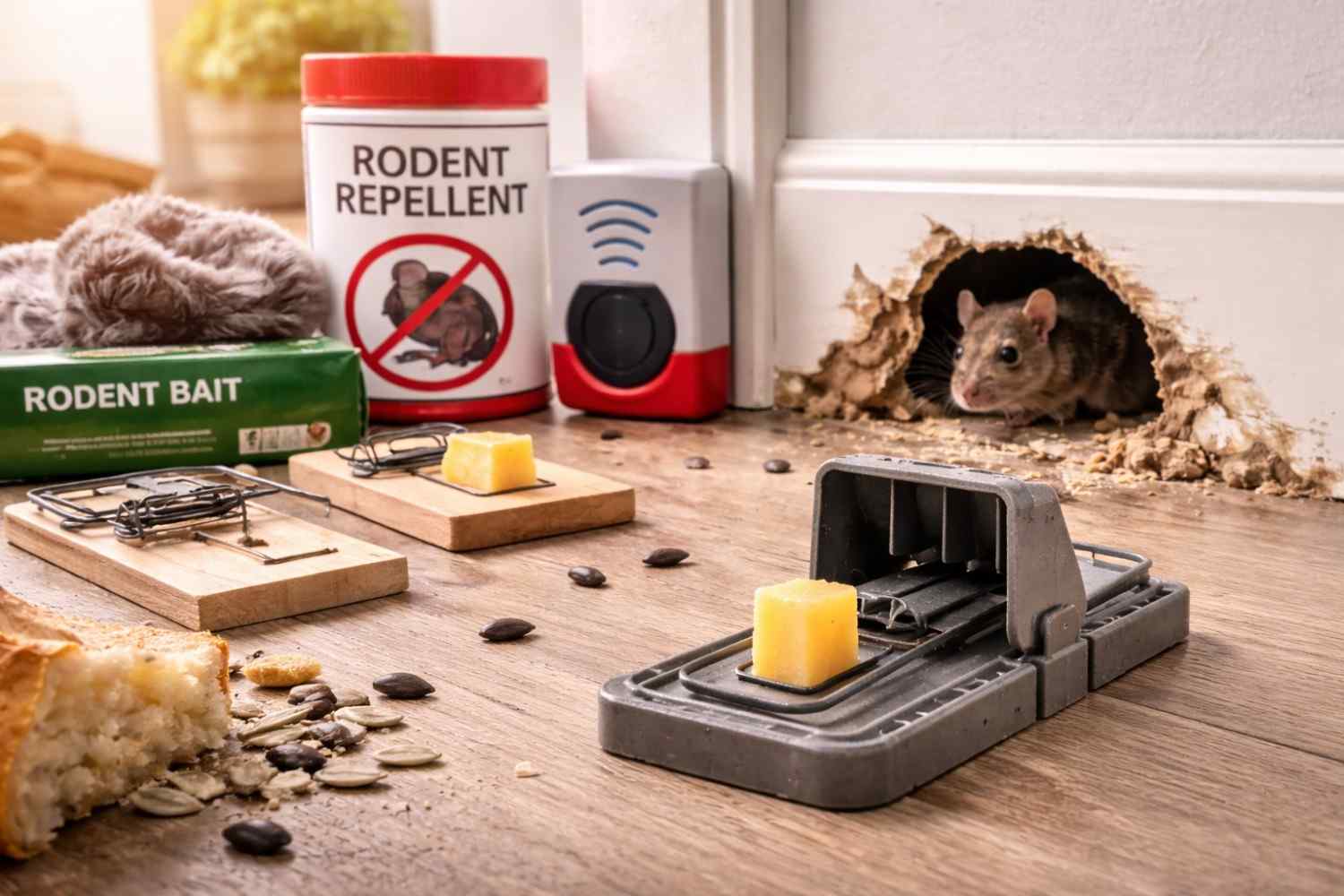
Here’s something nobody tells you about rodents: they’re not looking for your home specifically. They’re looking for warmth, food, and a quiet place to raise a family. Your house just happens to offer all three. Effective rodent prevention isn’t about being cleaner than your neighbour. It’s about removing the invitation.
This guide covers everything you need to know, from spotting the early signs of a rodent infestation to sealing your home properly, protecting your yard, and understanding what actually works and what doesn’t. All facts come from verified sources including the U.S. Centers for Disease Control and Prevention (CDC) and the Environmental Protection Agency (EPA).
1. How to Recognise Signs of a Rodent Infestation Early
The earlier you catch a rodent problem, the cheaper and easier it is to fix. The CDC states that the first signs of rodents usually appear before you ever see a rat or mouse in person.
Key Warning Signs to Look For
- Droppings near food sources. Small, dark pellets in cabinets, drawers, or along baseboards. Mouse droppings are about 1/8 inch long with pointed ends. Rat droppings are larger with blunt ends.
- Gnaw marks on food packaging, wood, or wiring. Rodents gnaw constantly because their teeth never stop growing. Chewed electrical wires are particularly dangerous and are linked to a significant number of house fires with unknown causes each year.
- Nesting Material. Shredded paper, fabric, dried plants, or cardboard gathered in a corner of a cupboard, attic, or behind an appliance.
- Greasy Rub Marks Along Walls. Rodents follow the same routes repeatedly. The oils in their fur leave dark smears along baseboards and walls over time.
- Scratching or Scurrying Sounds at Night. Rodents are nocturnal. If you hear movement in walls or ceilings between 11 pm and 4 am, take it seriously.
- A Musky, Ammonia-Like Odour. Rodent urine has a distinct smell that becomes stronger as a colony grows. It is often most noticeable in attics, basements, and under sinks.
Practical Tip
If you wipe an area clean and droppings reappear within 24 hours, the infestation is active right now. Fresh droppings are dark and slightly soft. Older ones turn grey and crumble. This simple test confirms whether you are dealing with a current problem or an old one.
2. How to Seal Gaps and Keep Mice Out of Your House
This is the single most effective thing you can do. No bait, trap, or spray works as well as physically blocking every way in.
Rats need a gap of just over half an inch to squeeze through. Mice need only a quarter of an inch, roughly the size of a pencil. If a pencil can fit through a gap in your wall, a mouse can too.
Common Entry Points to Inspect
- Gaps around pipes, cables, and utility lines where they enter the wall or foundation
- Dryer vents, bathroom exhaust vents, and HVAC unit connections
- The base of exterior doors, especially garage doors
- Cracks in the foundation, wall joints, and around window frames
- Gaps in roof soffits, eaves, and where gutters meet the roofline
Rodent Exclusion Materials: What Actually Works
Choosing the right material matters. According to CDC guidance and wildlife management experts, here is how the main options compare.
| Material | Best Use | Durability | Key Note |
| Steel wool + caulk | Small gaps around pipes and wires | Medium | Regular steel wool rusts. Stainless or copper mesh lasts longer outdoors. |
| Hardware cloth (1/4 inch mesh) | Vents, larger openings, crawl spaces | High | Use 16 to 19 gauge. Rodents cannot chew through properly installed mesh. |
| Copper mesh | Pipes, drains, curved gaps | High | Rust-proof and flexible. A reliable long-term choice for wet areas. |
| Concrete / mortar | Foundation cracks, floor gaps | Very High | Rodents cannot chew through cured concrete. Best for permanent repairs. |
| Caulk and sealant | Thin cracks and finished surfaces | Medium | Use as a secondary seal over mesh or wool, not as the primary barrier alone. |
| Expanding foam alone | Not recommended for rodents | Low | Rodents chew through foam easily. Never use it as your only seal. |
Common Mistake
Expanding foam is widely used for insulation but it provides zero resistance to rodents. A mouse will chew through a foam-sealed gap in minutes. Always back foam with a physical barrier like hardware cloth or metal mesh before applying it.
3. How to Keep Rats Out of Your Yard
Rats don’t just materialise inside your walls. They work their way in from outside, and your yard is often the first stop. Rodent prevention outdoors is just as important as sealing the building itself.
The EPA recommends removing food sources, water sources, and anything that provides shelter.
Outdoor Prevention Checklist
- Secure Bins. Keep garbage bins sealed with tight-fitting lids.
- Open or flimsy bins are one of the most consistent yard attractants for rats.
- Remove Fallen Fruit. Clear fallen fruit from trees within 24 hours.
- A windfall of apples or plums on the ground is essentially a free rat buffet.
- Elevate Firewood. Store firewood at least 18 inches off the ground and at least 20 feet from the building where possible.
- Manage Compost. Turn compost piles regularly and cover fresh food scraps. The EPA specifically recommends covering newly added food in compost heaps.
- Trim Vegetation. Keep all tree branches at least 18 inches clear of any part of the structure.
- Pause Bird Feeders. Stop outdoor bird feeding during an active infestation or switch to husk-free seed that leaves less residue.
4. Rodent Prevention in the Attic
The attic is prime real estate for rodents. It is warm, quiet, rarely disturbed, and often full of insulation that makes excellent nesting material. Roof rats in particular are natural climbers and target attics above almost any other part of the house.
Attic Protection Steps
- Cover soffit vents and roof openings with hardware cloth with openings no larger than a quarter of an inch.
- Inspect where cables and utility lines enter through the roof or eaves and seal any gaps with hardware cloth before applying sealant.
- Install rodent-proof covers on chimney and vent pipes.
- Store everything inside the attic in hard-sided plastic bins rather than cardboard boxes. Cardboard is nesting material.
- Inspect for signs of activity at least twice a year: once in autumn before rodents seek winter shelter and once in early spring.
Detection Trick
Lay a thin, even layer of flour or talcum powder along the attic floor and leave it undisturbed overnight. Fresh tracks in the morning confirm active rodent movement and reveal the direction of travel, pointing you toward the entry point.
5. Rodent Prevention in an Apartment
Living in an apartment adds a layer of complexity. You control your unit, but not the shared walls, communal areas, or what your neighbours are doing. That said, you still have plenty of options.
Apartment-Specific Steps
- Inspect and seal gaps around plumbing under the sink, behind dishwashers, and around heating pipes that run through shared walls. Use steel wool packed firmly into these gaps.
- Report any openings to your building manager in writing and document the request with a date.
- Store all dry food in sealed hard-sided containers. Cereal boxes, pasta bags, and pet food sacks in their original packaging are easy targets.
- Keep the area behind your cooker and refrigerator clean and inspect it regularly. Rodents are drawn to the warmth from appliance motors.
- If your building has a rodent problem, coordinate with management for building-wide exclusion work. One unit acting alone rarely solves a shared-wall infestation.
6. Does Natural Mouse Repellent Actually Work?
Let’s be honest about peppermint oil. It’s everywhere online. People swear by it. And while it’s not entirely useless, it is not a solution on its own.
Mice have a highly sensitive sense of smell, and the strong menthol in peppermint oil does interfere with their ability to detect pheromones and navigate. Some homeowners report it working well as part of a broader prevention strategy. However, Pest control professionals note that mice can adapt to the scent over time, and there is no strong scientific evidence that peppermint oil prevents infestations reliably as a standalone method.
How to Use Peppermint Oil Correctly
- Use 100% pure peppermint oil, not fragrance or synthetic oil. The concentration matters.
- Apply a few drops to cotton balls and place them at entry points and corners. Do not spray only.
- Replace cotton balls every three to five days as the scent fades quickly.
- Use it alongside physical exclusion, not instead of it.
Other commonly mentioned natural repellents include eucalyptus oil, ammonia, and ultrasonic devices. The verdict on all of them is similar: temporary at best, ineffective against an established infestation, and not a substitute for sealing entry points and removing food sources.
Bottom Line on Natural Repellents
Peppermint oil is a pleasant-smelling add-on. It is not a pest control strategy. The most effective rodent prevention always comes back to three things: seal every entry point, remove every food and water source, and reduce shelter opportunities. Everything else is supplementary.
7. When to Call a Pest Control Professional
DIY rodent prevention works well when you catch things early. The moment you find an active nest, see a rodent in daylight, notice gnaw marks on wiring, or hear sounds from multiple areas of the house, the situation has moved beyond what traps and caulk alone can address.
The CDC recommends contacting a pest control specialist when rodents have accessed areas that cannot be reached to clean safely.
Signs You Need a Professional
- An active nest found anywhere in the building
- A live rodent sighted during daylight hours
- Gnaw marks on electrical wiring or structural wood
- Sounds coming from multiple wall or ceiling locations simultaneously
- Persistent signs of activity after two weeks of DIY trapping
The EPA and CDC both recommend asking a pest professional about Integrated Pest Management (IPM), an approach that combines inspection, sanitation, exclusion, and targeted treatment in that order, using chemical methods only when necessary and appropriate.
Sources
- U.S. Centers for Disease Control and Prevention (CDC) – Rodent Control: cdc.gov/healthy-pets/rodent-control
- U.S. Environmental Protection Agency (EPA) – Identify and Prevent Rodent Infestations: epa.gov/rodenticides
- University of Nebraska-Lincoln Extension – Rodent Exclusion Methods: extensionpubs.unl.edu
Frequently Asked Questions
How do I prevent mice from entering my house?Seal every gap larger than a quarter of an inch using steel wool, hardware cloth, or caulk. The CDC recommends removing food and water sources and clearing nesting material from around the property. Store food in airtight metal, glass, or thick plastic containers and keep garbage bins sealed with tight-fitting lids.
What are the earliest signs of a rodent infestation?According to the CDC, the first signs are typically droppings near food sources, gnaw marks on packaging or wiring, and nesting material such as shredded paper or fabric in hidden areas. Scratching noises at night and a musky odour in enclosed spaces are also early indicators that often appear before a live sighting.
Does peppermint oil repel mice?Peppermint oil may temporarily deter mice due to their sensitive sense of smell, but there is no strong scientific evidence it prevents infestations long-term. Pest professionals note that mice adapt to the scent over time. It works best as a supplementary measure used alongside physical exclusion and sanitation.
How do I keep rats out of my yard?Remove food sources such as fallen fruit, accessible pet food, and open compost. Keep grass trimmed, store firewood elevated and away from the house, and ensure garbage bins have tight-fitting lids. The EPA also recommends eliminating standing water and removing any items that provide shelter or nesting opportunities.
What materials stop rodents from getting through gaps?The CDC recommends filling small gaps with steel wool secured with caulk. For larger openings, use hardware cloth, lath screen, metal sheeting, or cement. Avoid expanding foam as your only seal since rodents chew through it easily. For outdoor or wet areas, stainless steel or copper mesh is the most durable long-term option.
How do I prevent rodents in my attic?Cover soffit vents and roof openings with hardware cloth with openings no larger than a quarter of an inch. Seal gaps where cables and pipes enter the roof. Install rodent-proof covers on chimney and vent pipes. Inside the attic, switch from cardboard boxes to hard-sided plastic bins and inspect for activity twice a year.