
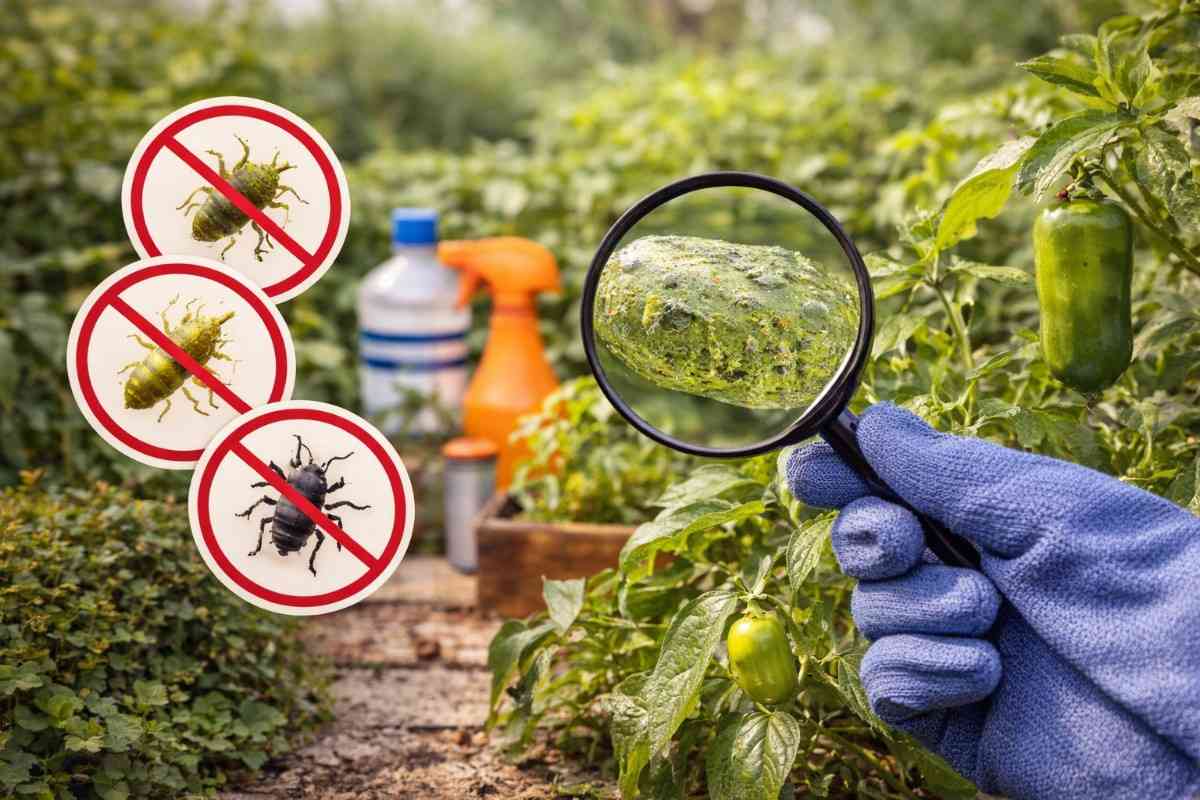
You water your plants, give them sunlight, and care for them daily, yet something is still going wrong. Leaves turn yellow, curl up, or develop mysterious holes. Growth slows down for no obvious reason. If this sounds familiar, pests are likely the culprit. Knowing how to control pests in plants is one of the most important skills any plant owner, beginner or experienced, can develop. Left unchecked, a small infestation can spread rapidly and devastate an entire garden or collection of houseplants within weeks.
This guide walks you through every aspect of plant pest control, including identifying common pests, recognizing early warning signs, selecting the right treatment method, and developing habits that keep plants naturally resilient. Whether you’re dealing with indoor houseplants or an outdoor vegetable garden, you’ll find practical, actionable solutions here.
Quick Answer: How to Control Pests in Plants
- Inspect plants regularly, and check the undersides of leaves weekly
- Identify the pest before choosing a treatment method
- Start with natural remedies: neem oil spray, insecticidal soap, or manual removal
- Isolate affected plants immediately to prevent spread
- Improve airflow, avoid overwatering, and keep foliage dry
- Use chemical pesticides only as a last resort, following label instructions
- Monitor treated plants for 2–3 weeks to confirm the infestation is gone
Common Types of Plant Pests
Before you can treat an infestation, you need to know what you’re dealing with. Here are the most common plant pests and the damage they cause:
Aphids
Tiny, soft-bodied insects that cluster on new growth. They suck sap, causing leaves to curl, yellow, and become sticky with honeydew.
Spider Mites
Barely visible, they create fine webbing on leaves. Infested foliage looks dusty, speckled, or bronze-tinged, eventually dropping off.
Whiteflies
A cloud of tiny white insects that fly up when a plant is disturbed. They weaken plants by feeding on sap from the underside of leaves.
Mealybugs
White, cottony clusters found at leaf joints. They stunt growth and leave behind sticky residue that promotes mold growth.
Caterpillars
Larvae of moths and butterflies that chew large, irregular holes in leaves. Most active at night; damage can be extensive quickly.
Scale Insects
Small, shell-like bumps on stems and leaves. They drain sap and are often mistaken for part of the plant itself.
Signs Your Plants Have Pests
Catching an infestation early makes treatment far easier. Watch for these symptoms:
- Yellowing or pale leaves are often caused by sap-sucking insects
- Holes or ragged leaf edges sign of chewing insects like caterpillars or beetles
- Sticky residue (honeydew) on leaves or nearby surfaces
- Visible webbing a telltale sign of spider mites
- White cottony patches at leaf joints are mealybugs
- Distorted or curled new growth aphid feeding
- Wilting despite adequate watering, root or soil pests may be present
- Black sooty mold growing on honeydew deposits
- Tiny insects flying up when the plant is touched whiteflies
Plant Pest Control Methods
Natural Methods (Start Here)
- Neem oil spray: Mix 2 tsp neem oil + 1 tsp dish soap in 1 litre of water. Spray on all leaf surfaces, including undersides. Works as both a pesticide and a fungicide.
- Insecticidal soap spray: Diluted liquid soap suffocates soft-bodied insects like aphids and mites on contact. Spray directly on pests every 5–7 days.
- Manual removal: For larger pests like caterpillars or mealybugs, use a cotton swab dipped in rubbing alcohol or simply pick them off by hand.
- Strong water spray: A forceful stream of water dislodges aphids and mites from leaves quickly and effectively.
- Beneficial insects: Introduce ladybugs or lacewings to outdoor gardens they naturally prey on aphids and other pests.
- Diatomaceous earth: Dust around the base of plants to deter crawling insects without harming the plant.
Chemical Methods (Last Resort)
- Use systemic insecticides (e.g., imidacloprid) only when natural methods have failed
- Always follow label instructions and dosage guidelines precisely
- Avoid applying during flowering to protect pollinators
- Never spray in direct sunlight or high temperatures it increases chemical burn risk
- Keep children and pets away from treated areas until fully dry
⚠️ Note: Chemical pesticides can harm beneficial insects and soil health when overused. Reserve them for severe infestations where natural methods have not worked after 2–3 treatment cycles.
Indoor Plant Pest Control
Indoor plants are in a unique environment, warm, sheltered, and with no natural predators. This makes them especially vulnerable to pests spreading rapidly from plant to plant.
Key Indoor Strategies
- Always quarantine new plants for 1–2 weeks before placing them near others
- Wipe leaves monthly with a damp cloth to remove dust and spot early infestations
- Avoid overwatering, as soggy soil attracts fungus gnats and root rot
- Improve air circulation with a small fan. Poor airflow encourages mite and mold problems
- Use yellow sticky traps near houseplants to monitor and trap flying insects
- Check drainage holes regularly, pests can breed in accumulated moisture below pots
Common indoor pest: Fungus gnats thrive in moist potting soil. Let the top 2–3 cm of soil dry out between waterings, and apply a layer of sand on top of the soil to deter egg-laying.
Outdoor Plant Pest Control
Garden plants face a wider range of pest threats, but also benefit from natural predators, weather variation, and more space for intervention.
Garden-Focused Solutions
- Row covers and netting: Physical barriers prevent butterflies, beetles, and moths from laying eggs on plants
- Companion planting: Grow basil near tomatoes, or marigolds near vegetables, these naturally repel many common pests
- Trap crops: Plant nasturtiums near vegetable beds to attract aphids away from your main crop
- Early morning inspection: Many pests (slugs, caterpillars) are active at night. Check plants at dawn when evidence is freshest
- Crop rotation: Move plant families to different beds each season to disrupt soil-dwelling pest cycles
Weather plays a role, too. Hot, dry conditions accelerate spider mite outbreaks, while humid weather encourages fungal issues. Adjust your monitoring schedule during extreme weather periods.
How to Prevent Garden Pests
The best plant pest control strategy is prevention. Healthy, well-maintained plants naturally resist pest damage better than stressed ones.
- Healthy soil: Enrich with compost and organic matter, robust root systems produce stronger plants
- Proper spacing: Crowded plants have poor airflow and create humid microenvironments where pests flourish
- Water at the base: Wet foliage invites fungal disease and creates conditions that mites love. Use drip irrigation or bottom watering
- Remove dead material: Fallen leaves and spent flowers are prime pest breeding grounds. Clear them promptly
- Choose resistant varieties: Many modern cultivars are bred for pest and disease resistance
- Seasonal clean-up: At the end of each growing season, clear beds thoroughly to eliminate overwintering pest eggs
Best Practices for Plant Care to Avoid Pests
Consistent care habits are your most powerful long-term tool in keeping pests at bay:
- Do a weekly visual inspection of all plants, especially the undersides of leaves
- Maintain a watering schedule, both overwatering and underwatering stress plants
- Feed plants with appropriate fertiliser. Over-fertilising with nitrogen produces soft, lush growth that aphids adore
- Prune and thin regularly to improve airflow through the canopy
- Keep tools clean and sterilised between plants to avoid transferring pests and disease
- Note and act on changes early, don’t wait until damage is extensive
Common Mistakes to Avoid
- Ignoring early signs: A few aphids or a small patch of webbing is easy to dismiss. Act immediately, as infestations can double in just a few days under warm conditions.
- Treating without identifying the pest: Different pests require different treatments. Applying the wrong product wastes time and money.
- One-and-done treatment: Most treatments only kill adults, not eggs. Always repeat treatments after 5–10 days to break the life cycle.
- Overusing pesticides: Pests develop resistance, and chemicals harm beneficial insects. Rotate methods and start with the gentlest option.
- Skipping new plant quarantine: Nursery plants are a major source of indoor infestations. Always isolate new additions for two weeks.
- Watering at night: Wet foliage overnight creates the humid conditions that pests and fungal diseases thrive in.
Final Thoughts
Understanding how to control pests in plants isn’t about reacting to crises; it’s about building a consistent routine of observation, prevention, and early intervention. Whether you’re managing indoor houseplants or a sprawling outdoor garden, the principles remain the same, so inspect often, identify accurately, and act early.
Start with natural, gentle methods. Keep your plants strong through good soil, proper watering, and adequate spacing. And remember, a single missed week of monitoring can be the difference between a minor nuisance and a full-blown infestation. Your plants will reward the attention.
Frequently Asked Questions
Neem oil is widely considered the most effective all-round natural pest control for plants. Mix 2 teaspoons of neem oil with 1 teaspoon of dish soap per litre of water and spray thoroughly on affected plants every 5–7 days. It works against a broad spectrum of pests including aphids, mites, whiteflies, and mealybugs, and also has antifungal properties. Insecticidal soap spray is another excellent option for soft-bodied insects.
Start by isolating the affected plant. Identify the pest, then wipe leaves with a damp cloth or cotton swab dipped in rubbing alcohol. Follow up with a neem oil or insecticidal soap spray applied to all leaf surfaces. For fungus gnats in soil, allow the top layer to dry out between waterings and apply a sand mulch on top. Repeat treatments every week for at least three weeks to break the pest life cycle.
Insecticidal soap spray kills soft-bodied insects on contact by disrupting their cell membranes it acts within minutes. For faster knockdown of larger infestations, pyrethrin-based sprays (derived from chrysanthemum flowers) are natural but highly effective and fast-acting. Chemical contact insecticides also work quickly, but should be reserved as a last resort due to their impact on beneficial insects.
Prevention comes down to plant health and garden hygiene. Keep soil healthy with compost, space plants adequately for airflow, water at the base rather than overhead, remove dead leaves and debris promptly, and practise crop rotation annually. Companion planting with pest-repelling herbs like basil, mint, and marigolds adds a natural protective layer. Weekly inspection is your best early-warning system.
When used correctly, chemical pesticides are generally safe for the target plant but they must be applied according to label directions. Avoid spraying in high heat or direct sunlight, which can cause leaf burn. Systemic pesticides (absorbed by the plant) can affect beneficial insects like bees if they visit treated flowering plants. Always choose the least toxic option appropriate for the pest, and switch to natural methods for ongoing maintenance after the infestation is controlled.
During an active infestation, treat every 5–7 days for at least 3 consecutive cycles. This ensures you target newly hatched eggs as they mature, since most treatments don’t kill eggs directly. After the infestation clears, shift to a preventive routine: apply diluted neem oil spray once a month as a deterrent, and continue weekly visual inspections to catch any recurrence early.
Yes a diluted dish soap solution is a simple, effective home remedy for soft-bodied pests like aphids, mites, and whiteflies. Mix 1–2 teaspoons of plain, fragrance-free liquid dish soap into 1 litre of water and spray directly onto pests. Avoid using on plants in intense heat and always rinse leaves with clean water after a few hours to prevent any soap residue from blocking leaf pores. Test on one leaf first if the plant is delicate.
Several common household items work effectively as pest deterrents. Garlic spray (blended garlic steeped in water) repels aphids and caterpillars. Diatomaceous earth dusted around plant bases deters crawling insects. Crushed eggshells create a physical barrier against slugs. Coffee grounds sprinkled on soil deter fungus gnats and ants. Citrus peel placed around plants can also repel certain insects due to the natural oils they contain.