
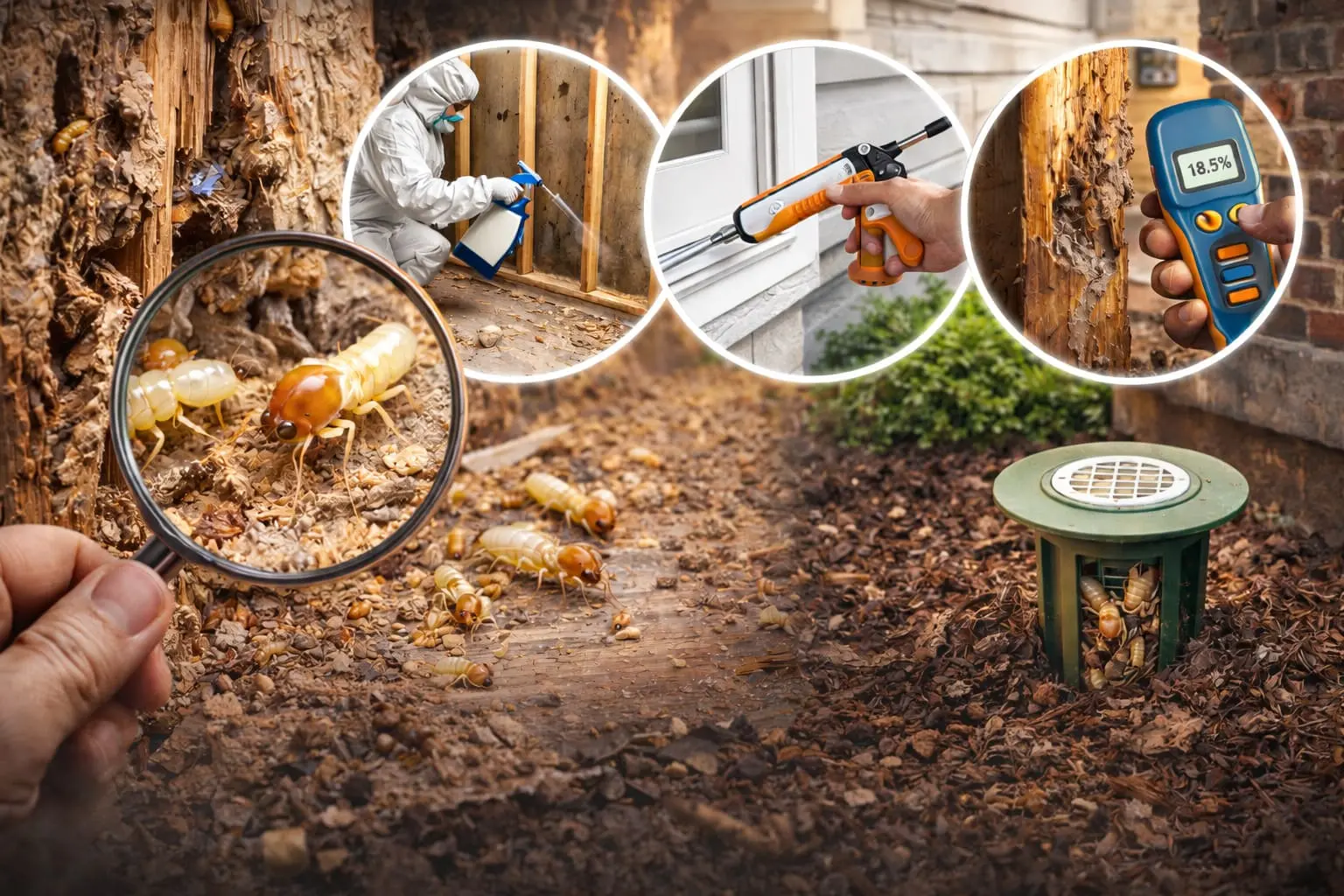
Among the many common household peststhat can invade a home, termites are by far one of the most destructive. Often called “silent destroyers,” these insects feed on wood and cellulose-based materials, causing structural damage that can go unnoticed for months or even years. By the time visible signs appear, repairs can be expensive and extensive. The good news is that proactive prevention significantly reduces the risk of infestation. Understanding and applying effective termite prevention tips can protect your home, your finances, and your peace of mind.
Why Termite Prevention Matters
Termites cause billions of dollars in property damage each year. Unlike storms or fires, termite damage is rarely covered by homeowner insurance policies. Prevention is not just a precaution; it is a necessary part of responsible home maintenance.
Termites thrive in environments that provide moisture, wood, and shelter. Homes naturally offer these conditions unless preventive measures are taken. Being proactive helps stop termites before they establish colonies near or inside your property.
Understand the Conditions That Attract Termites
Before applying termite prevention strategies, it is important to understand what attracts termites in the first place.
1. Moisture Problems
Termites are drawn to damp environments. Leaky pipes, clogged gutters, and poor drainage create ideal conditions for infestation.
2. Wood-to-Soil Contact
When wooden components of a home touch soil directly, termites gain easy access to structural wood.
3. Cracks and Entry Points
Small foundation cracks, gaps around utility lines, and unsealed openings allow termites to enter unnoticed.
4. Untreated Wood
Wood that is not pressure-treated or protected is especially vulnerable to termite feeding.
Addressing these conditions reduces the likelihood of termite activity.
Essential Termite Prevention Tips
The following strategies are practical, effective, and suitable for long-term protection.
1. Eliminate Excess Moisture Around the Home
Moisture control is one of the most important termite prevention measures.
- Repair leaking pipes and faucets immediately.
- Ensure gutters and downspouts direct water away from the foundation.
- Maintain proper grading so water flows away from the house.
- Use dehumidifiers in damp basements or crawl spaces.
Keeping the foundation area dry discourages termite colonies from settling nearby.
2. Maintain Proper Clearance Between Soil and Wood
Termites commonly enter homes where wood makes direct contact with soil.
- Keep at least six inches between soil and wooden siding.
- Avoid stacking firewood against the house.
- Store lumber and wooden debris away from the foundation.
- Use concrete or metal supports instead of untreated wood posts in direct soil contact.
Reducing access points makes your home less appealing to termites.
3. Seal Cracks and Gaps in the Foundation
Even small openings can serve as entry points.
- Inspect the foundation regularly for cracks.
- Seal visible gaps using appropriate sealants.
- Close openings around plumbing and electrical lines.
- Repair damaged weather stripping around doors and windows.
These steps limit access routes and strengthen your home’s defenses.
4. Use Treated or Termite-Resistant Materials
If building or renovating, choose materials designed to resist termite damage.
- Opt for pressure-treated wood for outdoor structures.
- Consider termite-resistant wood species where appropriate.
- Use steel, concrete, or composite materials for decks and supports when possible.
Investing in durable materials provides long-term protection.
5. Keep Landscaping Under Control
Landscaping can unintentionally create favorable conditions for termites.
- Trim shrubs and tree branches away from exterior walls.
- Avoid excessive mulch against the foundation.
- Remove tree stumps and decaying wood from your yard.
- Maintain a clean perimeter around your home.
Proper landscaping reduces moisture buildup and limits termite hiding spots.
6. Schedule Regular Inspections
Routine inspections help detect early signs of termite activity before serious damage occurs.
Look for:
- mud tubes along foundation walls
- hollow-sounding wood
- blistered paint or sagging floors
- discarded wings near windows or doors
Professional inspections provide a thorough evaluation and peace of mind. Even if no signs are visible, annual checks are recommended in high-risk areas.
7. Maintain Crawl Spaces and Basements
Crawl spaces are a common termite entry point.
- Install vapor barriers to reduce ground moisture.
- Ensure proper ventilation to prevent damp conditions.
- Remove wood debris or cardboard stored in these areas.
- Keep insulation dry and in good condition.
A dry and clean crawl space significantly lowers termite risk.
8. Avoid Overwatering Your Yard
Excessive watering creates moist soil conditions attractive to termites.
- Adjust irrigation systems to prevent water pooling.
- Water plants strategically rather than saturating large areas.
- Monitor soil drainage after heavy rain.
Balanced moisture management supports effective termite control without harming landscaping.
How to Prevent Termites Naturally
You can prevent termites naturally by making your home less attractive to them and using eco-friendly remedies. Natural options like neem oil and orange oil act as repellents when applied to wood and cracks, while diatomaceous earth and boric acid help control termites by damaging their bodies or disrupting their digestion. Simple methods like placing wet cardboard traps can also help attract and remove termites in early stages.
The Role of Professional Termite Control
While preventive steps are highly effective, professional termite control services offer additional protection. Experts use specialized treatments, monitoring systems, and barrier methods to safeguard properties from infestation.
Professional solutions may include:
- soil treatments around foundations
- baiting systems that eliminate colonies
- preventive chemical barriers
- detailed structural inspections
Combining preventive home maintenance with expert support creates a comprehensive protection strategy.
Long-Term Prevention Strategy
Termite prevention is not a one-time task. It requires consistent attention and maintenance. Establishing a seasonal checklist helps ensure nothing is overlooked.
A strong prevention plan includes:
- quarterly exterior inspections
- annual professional assessments
- ongoing moisture management
- immediate repair of structural damage
By staying vigilant, homeowners can significantly reduce the risk of infestation and protect their investment.
Final Thoughts
Termites are persistent and capable of causing severe structural damage, but they are not unstoppable. Proactive maintenance, moisture control, proper material selection, and regular inspections form the foundation of effective protection.
Implementing reliable termite prevention tips keeps your home secure and reduces the likelihood of costly repairs. Prevention is always more affordable and less stressful than dealing with active infestations.
By following above termite prevention tips and taking consistent action and addressing risk factors early, homeowners can enjoy a safe, structurally sound property for years to come.
Frequently Asked Questions
Early signs of a termite infestation include mud tubes along foundation walls, hollow-sounding wood, discarded wings near windows or doors, bubbling paint, and small holes in drywall. Spotting these signs early can prevent major structural damage.
Homeowners should visually inspect their property at least twice a year. In high-risk areas, scheduling a professional inspection once a year is strongly recommended.
No. Termites can infest both new and old homes. New construction homes are also vulnerable if moisture issues or wood-to-soil contact exist.
Yes. Termites feed on wood and cellulose materials, weakening support beams, flooring, and wall structures. Severe infestations can compromise a home’s structural integrity if left untreated.
Termites are attracted to moisture, untreated wood, soil-to-wood contact, and hidden entry points such as foundation cracks or gaps around utility lines.
Basic prevention steps such as sealing cracks, maintaining drainage, and removing wood debris, are affordable. Preventive maintenance costs far less than repairing termite damage.
Professional termite control is recommended if you notice signs of infestation or live in a high-risk area. Experts can apply soil treatments, install bait systems, and provide long-term monitoring.
In most cases, termite damage is not covered by standard homeowners’ insurance policies. Prevention is essential to avoid costly out-of-pocket repairs.
The duration depends on the treatment type. Soil treatments and barrier systems can last several years, while bait systems require ongoing monitoring and maintenance.
The most effective approach combines moisture control, eliminating wood-to-soil contact, sealing entry points, maintaining landscaping, and scheduling regular inspections.