
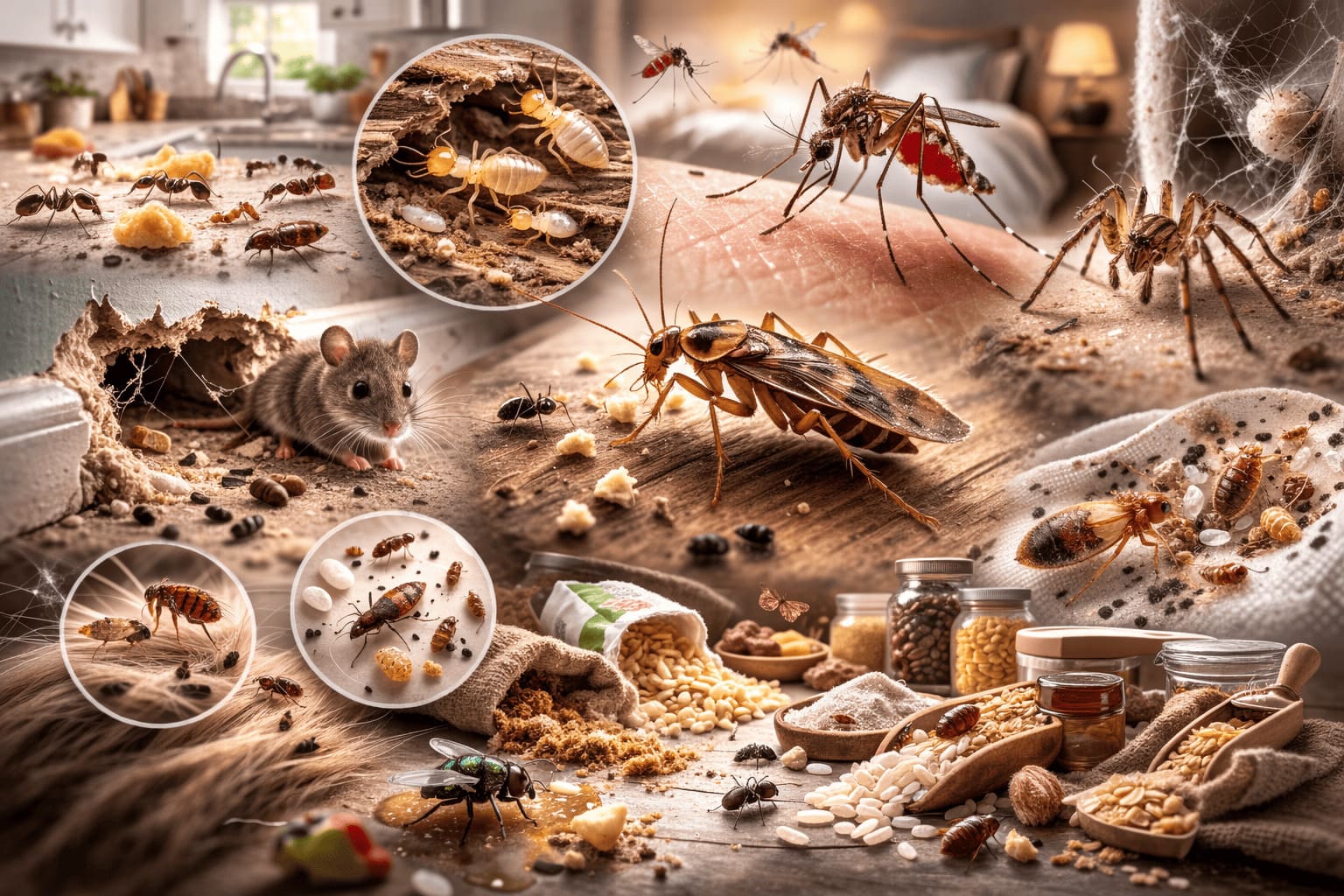
Maintaining a clean, safe, and comfortable home requires more than just regular maintenance. One of the biggest challenges homeowners face is dealing with unwanted pests. From insects to rodents, these intruders can damage property, contaminate food, and even pose health risks. Understanding the most common household pests and how to prevent them is essential for maintaining a healthy living environment.
This guide explores ten of the most frequent household pests and provides practical pest prevention tips to help you protect your home year-round.
Common Household Pests and Their Prevention Measures
1. Ants
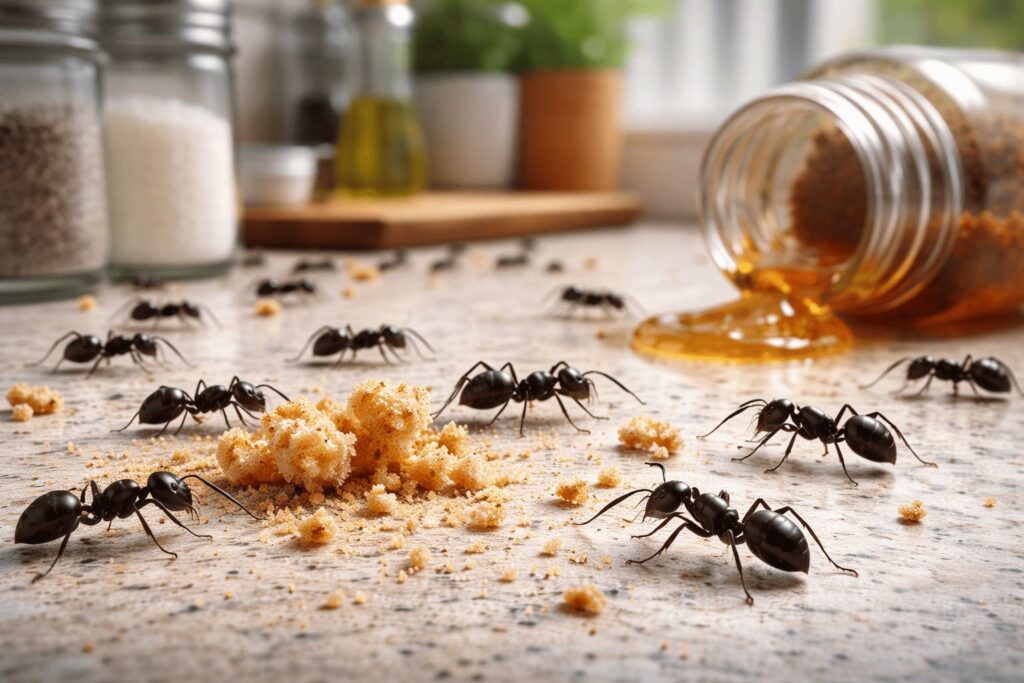
Ants are among the most frequent home invaders. They enter houses in search of food, water, and shelter. Once they find a reliable source, they leave scent trails for others to follow, which quickly leads to infestations.
Common signs:
- Lines of ants near food areas
- Small piles of dirt near walls or floors
- Ant hills near foundations
Prevention tips:
Keep surfaces clean, store food in sealed containers, fix moisture leaks, and seal entry points to reduce access. Natural ways to prevent ants include sprinkling cinnamon or diatomaceous earth near entry points, placing vinegar or lemon juice wipes along trails, and keeping counters free of crumbs.
2. Cockroaches
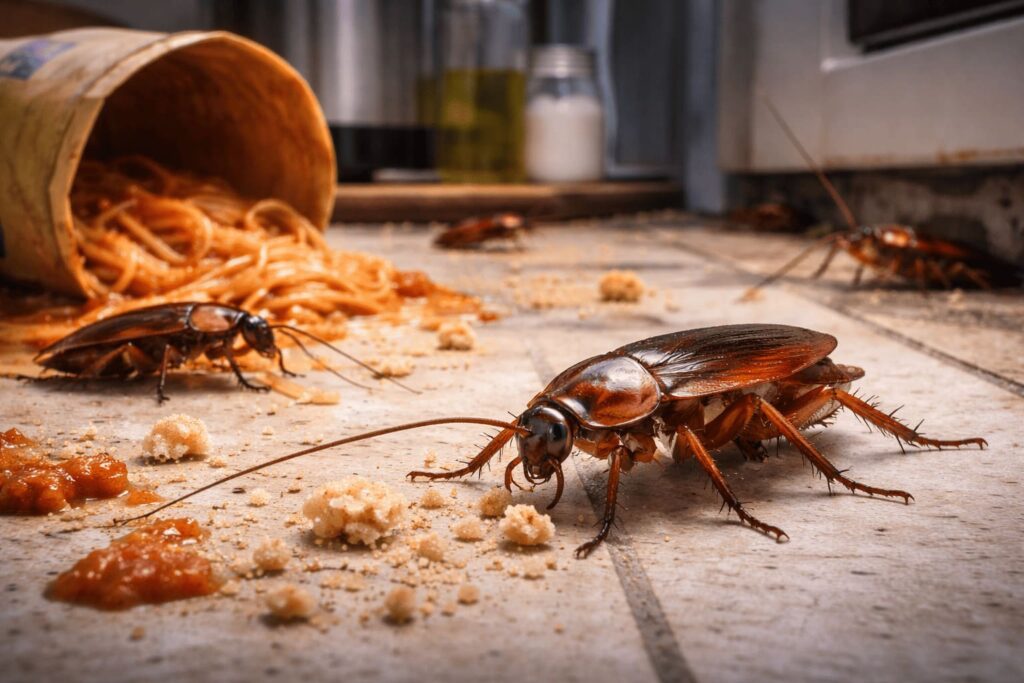
Cockroaches thrive in warm, humid environments and are known for spreading bacteria and triggering allergies. They are often found in kitchens, bathrooms, and basements.
Common signs:
- Droppings resembling coffee grounds
- Musty odor in hidden spaces
- Sightings at night
Prevention tips:
Eliminate food crumbs, repair plumbing leaks, and regularly empty trash bins. Maintaining cleanliness is critical.
3. Rodents (Mice and Rats)

Rodents are destructive pests that chew wiring, insulation, and wood. They can spread diseases and contaminate food supplies.
Common signs:
- Gnaw marks on furniture or wires
- Droppings near food storage
- Scratching noises inside walls
Prevention tips:
Seal small openings around doors and foundations, store food securely, and keep clutter minimal.
4. Termites
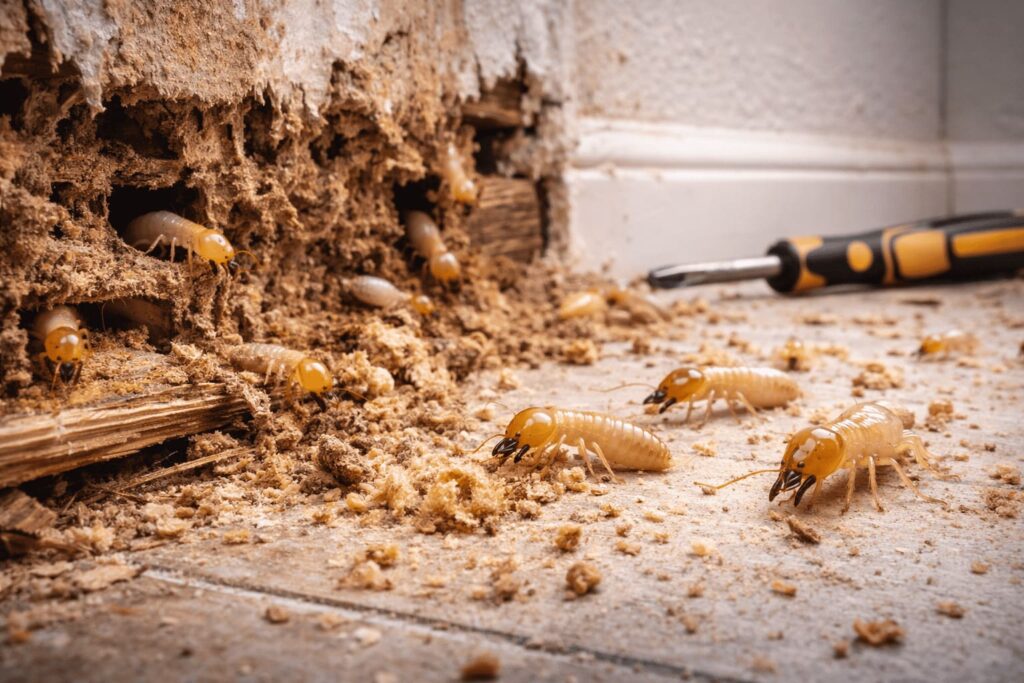
Termites are silent destroyers that feed on wood structures. Left unchecked, they can cause serious structural damage before homeowners even notice.
Common signs:
- Hollow sounding wood
- Mud tubes along walls or foundations
- Discarded wings near windows
Prevention tips:
Reduce wood to soil contact, control moisture levels, and schedule routine inspections to support proper termite control around your home.
5. Bed Bugs
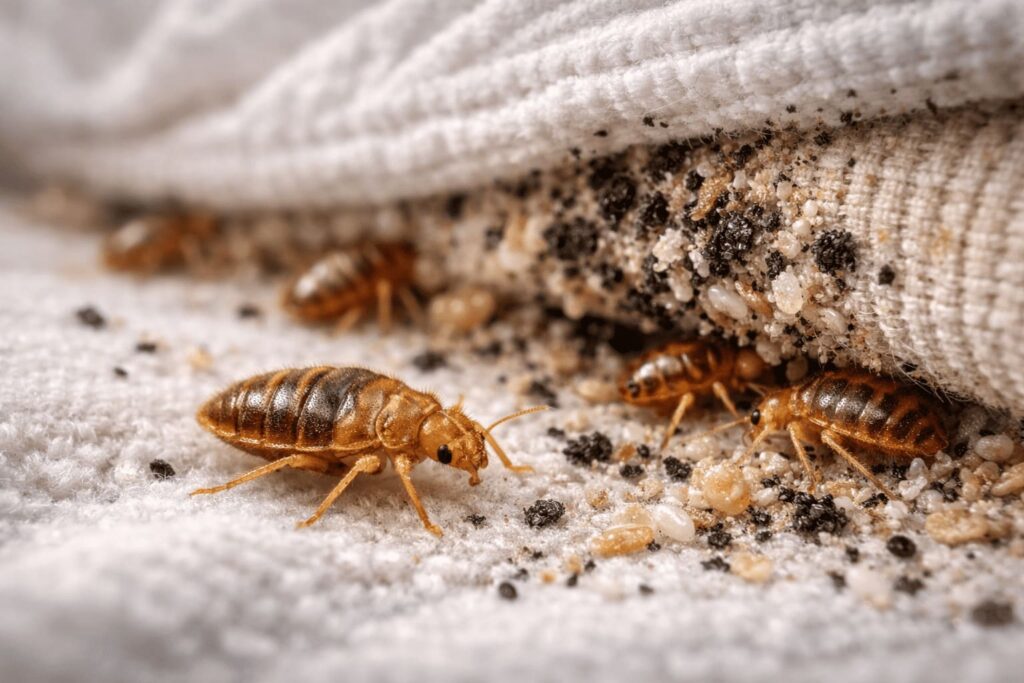
Bed bugs are small, blood-feeding insects that hide in mattresses, furniture, and cracks in walls. They spread quickly and are difficult to eliminate.
Common signs:
- Small itchy bites
- Rust-colored stains on bedding
- Tiny insects near mattress seams
Prevention tips:
Inspect luggage after travel, wash bedding regularly, and vacuum frequently.
6. Mosquitoes
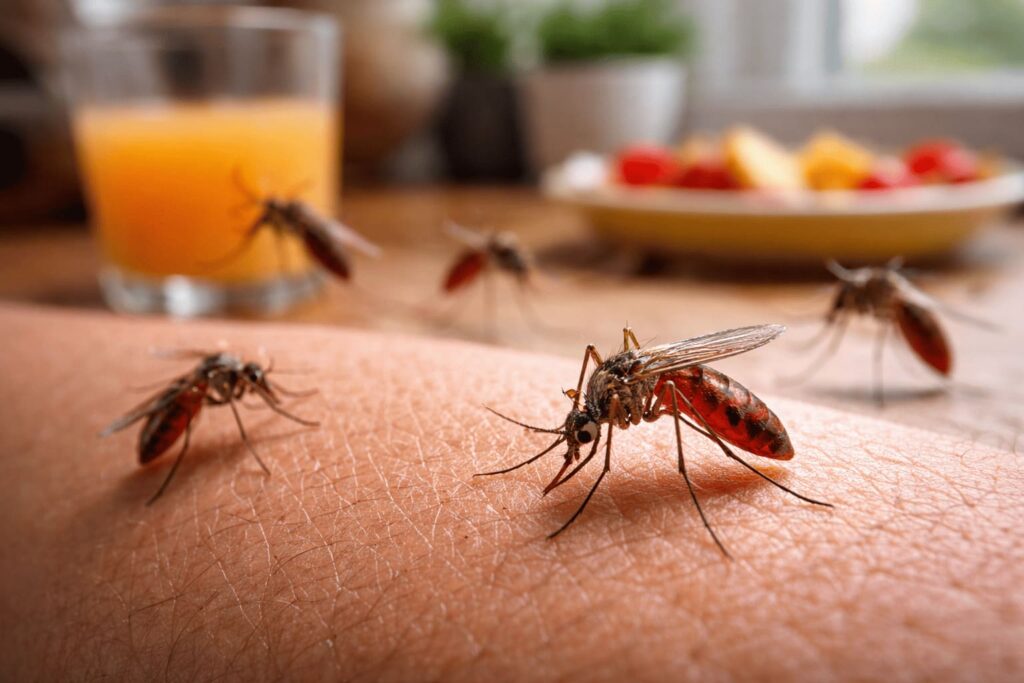
Mosquitoes are not just annoying. They can carry diseases and breed quickly in standing water.
Common signs:
- Increased bites outdoors or indoors
- Standing water near the home
Prevention tips:
Remove stagnant water from containers, maintain yard drainage, and install window screens.
7. Spiders
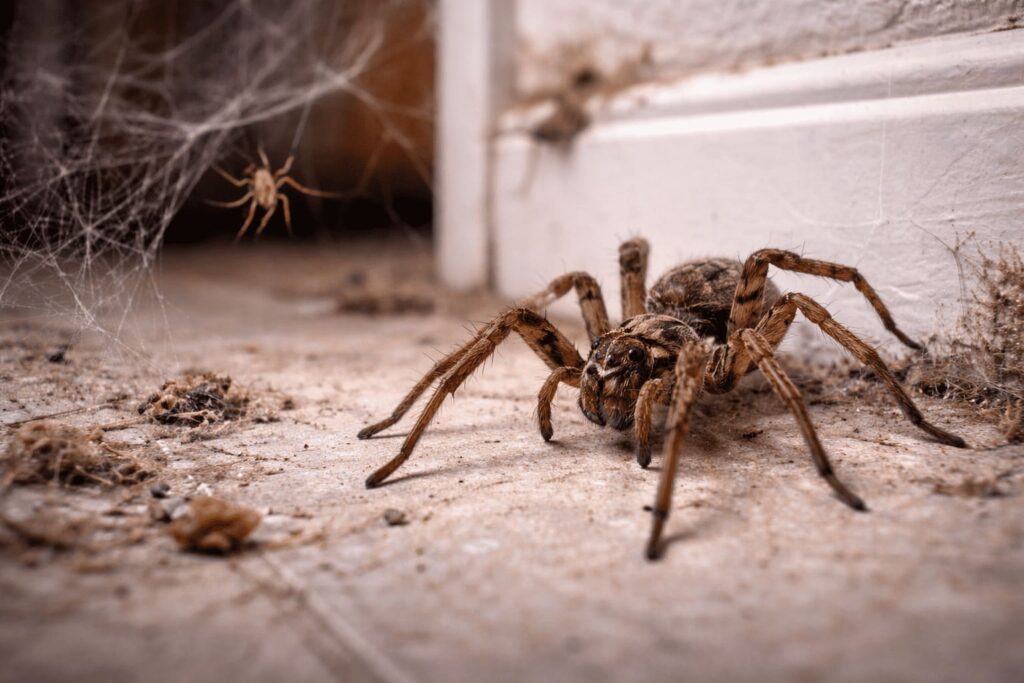
Most spiders are harmless, but some species can pose health risks. Even non-dangerous spiders create webs that affect indoor cleanliness.
Common signs:
- Webs in corners, basements, or garages
- Increased insect presence attracting spiders
Prevention tips:
Regular cleaning, sealing cracks, and controlling other insects helps reduce spider activity.
8. Fleas
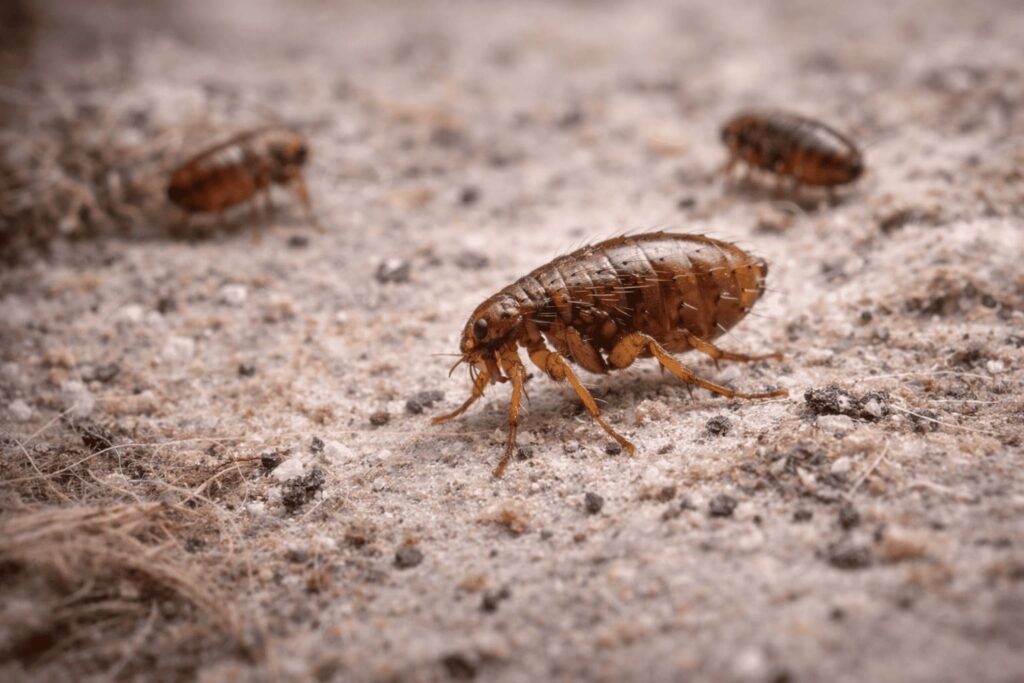
Fleas are often introduced by pets and can quickly infest carpets, furniture, and bedding. Their bites cause irritation and discomfort.
Common signs:
- Pets scratching frequently
- Tiny jumping insects on floors
- Bite marks around ankles
Prevention tips:
Veterinarian-recommended pet treatments, frequent vacuuming of carpets and furniture, and regularly washing pet bedding in hot water are effective ways to eliminate fleas from your home.
9. Silverfish
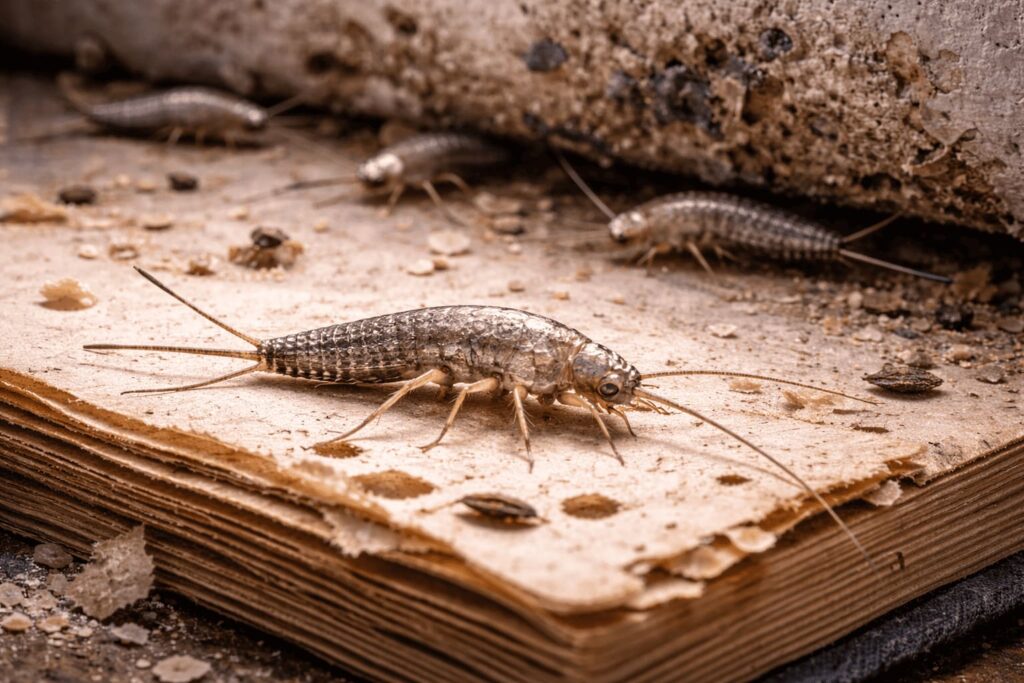
Silverfish prefer humid environments and feed on paper, clothing, and stored food products. They are commonly found in bathrooms and basements.
Common signs:
- Small, silvery insects in dark areas
- Damage to books or fabrics
Prevention tips:
Reduce humidity, improve ventilation, and store paper goods properly.
10. Pantry Pests
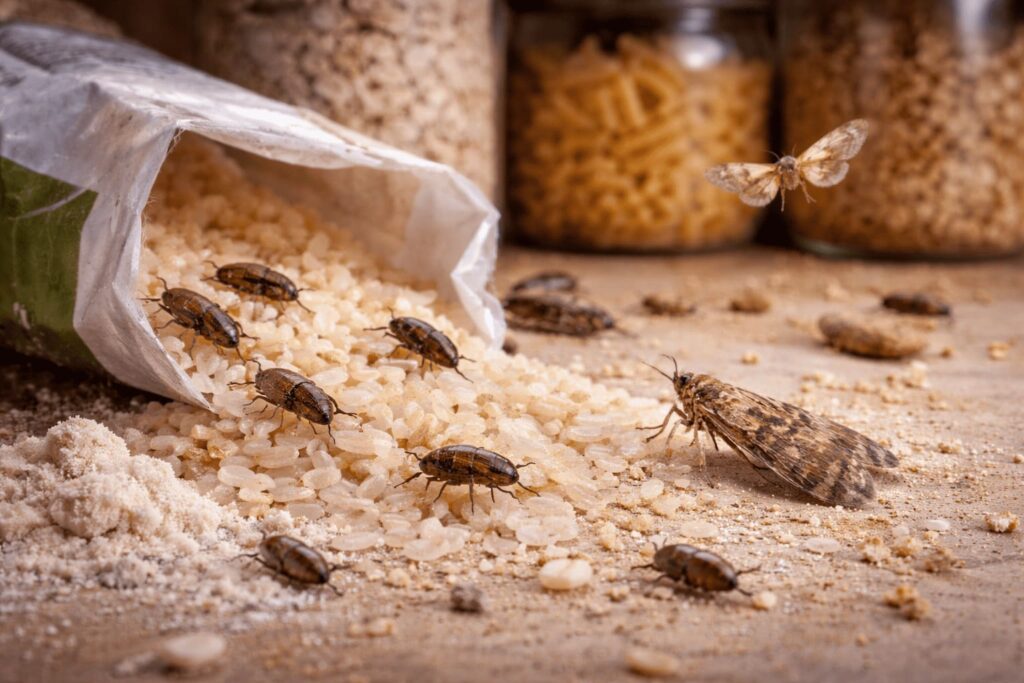
Pantry pests such as beetles, moths, and weevils infest dry food products like grains, flour, and cereals.
Common signs:
- Small insects inside food packages
- Webbing in stored food items
Prevention tips:
Store food in airtight containers, check expiry dates, and discard contaminated items promptly.
What Attracts Pests to Homes
Before discussing specific pests, it helps to know why they enter homes:
- Food crumbs, open containers, and garbage
- Moisture from leaks, drains, or humidity
- Clutter that provides hiding places
- Seasonal weather changes that push pests indoors
Keeping your home clean and well-maintained is the first step in prevention.
Why Pest Prevention Matters
Pests are not just inconvenient. They can cause health concerns, structural damage, and increased maintenance costs. Preventive action is always more effective and less expensive than dealing with a full infestation.
Simple pest prevention habits include:
- keeping kitchens clean
- managing moisture levels
- sealing entry points
- disposing of waste properly
- scheduling routine inspections
These actions significantly reduce the likelihood of pest problems.
When Professional Help May Be Needed
If pests persist despite prevention efforts, professional pest control services may be necessary. Severe infestations, structural damage, or health risks should not be ignored.
Final Thoughts
Knowing the most common household pests helps you stay proactive and protect your home. Practicing year‑round pest prevention makes tackling infestations easier and less costly. Regular cleaning, proper storage, and routine home maintenance keep your living space comfortable and pest‑free.