
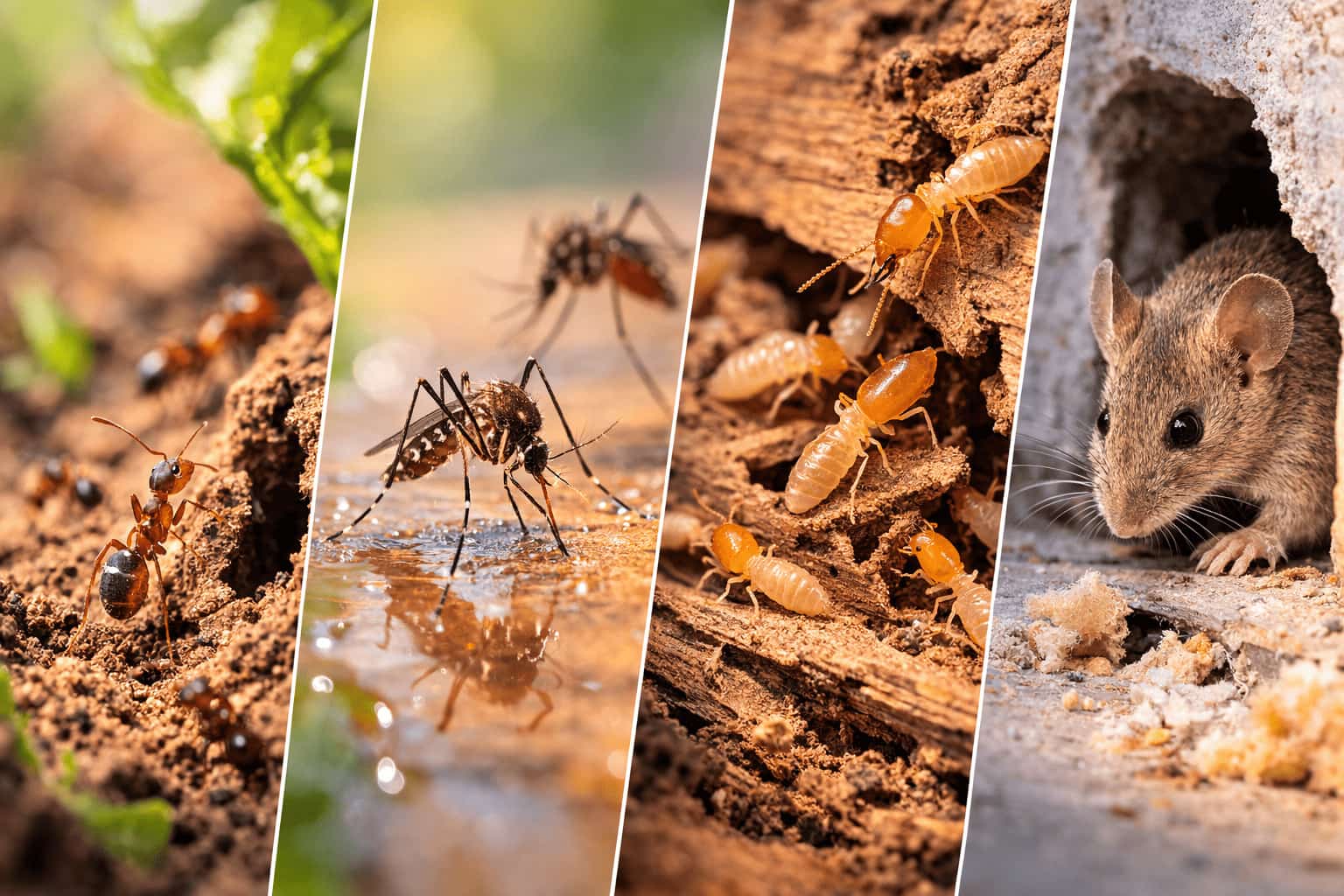
Most pest infestations don’t happen overnight. They build slowly, season by season, as pests find the conditions they need to breed, feed, and settle in. The homeowners who stay pest-free aren’t the ones who react fastest; they’re the ones who never give pests the opening in the first place.
This guide walks you through a practical, season-by-season pest prevention strategy: what pests become active and why, exactly what to do about it, and how to build year-round habits that keep your home protected without relying entirely on chemical treatments.
The Seasonal Pest Calendar: What You’re Up Against
Understanding why pests behave differently across the year is the foundation of any effective seasonal pest control plan. Insects and rodents are driven by temperature, moisture, and food availability, all of which shift dramatically from one season to the next.
| Season | Primary Pest Threats | Why They’re Active |
|---|---|---|
| Spring | Ants, termites, mosquitoes, stinging insects | Rising temperatures trigger breeding cycles; moisture from rain creates standing water |
| Summer | Mosquitoes, flies, cockroaches, wasps, fleas, ticks | Peak warmth accelerates reproduction; outdoor activity brings more human contact |
| Fall | Rodents, spiders, stink bugs, cockroaches | Cooling temps push pests indoors seeking warmth, food, and shelter for winter |
| Winter | Mice, rats, cockroaches, silverfish, overwintering insects | Pests already inside become established; cold keeps them sheltering in walls and attics |
Spring Pest Prevention: Stop Them Before They Breed
Spring is the most critical season for pest prevention. After months of cold, insect colonies are hungry and reproductive. A single ant queen can lay thousands of eggs within weeks of temperatures rising above 50°F. Termite swarmers begin emerging to start new colonies as soon as the ground warms. If you wait until you see a problem in spring, you’re already behind.
The most effective spring pest prevention happens in early March, before the first warm spell arrives.
Do a full perimeter inspection
Walk your home’s exterior and look for cracks in the foundation, gaps around utility penetrations, and any wood-to-soil contact. These are termite and ant highways. Seal gaps with caulk and replace rotted wood promptly.
Eliminate every source of standing water
Mosquitoes need only a bottle cap of water to breed. Clear clogged gutters, overturn flower pot saucers, fill low spots in the yard, and check that downspouts direct water away from the foundation.
Pull mulch and soil back from the house
Organic mulch directly against your foundation is prime termite and ant habitat. Maintain at least a 6-inch gap between any mulch, soil, or wood chips and your home’s siding or foundation.
Watch for termite swarmers near windows
Discarded wings on windowsills or near light fixtures in spring are one of the clearest early warning signs of a termite colony. Don’t ignore them — a swarmer sighting means an established colony is already nearby.
Summer Pest Control: Managing Peak Activity
Summer is when pest populations hit their annual peak. Cockroach reproduction accelerates sharply in heat and humidity. Mosquito populations can double every week under the right conditions. Flies, wasps, and fleas are all competing for the same warmth and food sources your household provides.
Summer seasonal pest control isn’t about eliminating every insect outside; it’s about removing the specific conditions that draw them inside your home.
Rethink how you store food
Airtight containers aren’t just for dry goods, they matter for pet food, fruit bowls, and anything on countertops. A single overnight fruit fly breeding event can establish a colony within days in summer heat.
Audit every entry point for gap
Check that window screens have no tears, that door sweeps make full contact with the floor, and that weatherstripping around exterior doors is intact. Flying insects need only a 1/16-inch gap to enter.
Keep vegetation trimmed back from the structure
Tree branches touching your roof and shrubs against your walls create direct pest highways from the yard into your home. Trim branches to leave at least 18 inches of clearance from any part of the structure.
Stay ahead of fleas and ticks on pets
Every outdoor pet is a potential flea carrier. One flea entering your home can lay up to 50 eggs per day. Maintain preventive flea treatment on pets throughout the warm months, not just after you spot a problem.
Summer Watch
Cockroaches thrive in temperatures above 70°F and populations can grow exponentially when sanitation lapses. In summer, even a few crumbs behind a kitchen appliance can sustain a growing colony. Move appliances and clean underneath them at least once a month.
Fall Pest Prevention: Seal Off Before They Move In
Fall is the most urgent season for exclusion work. As outdoor temperatures drop below 50°F, rodents begin their active search for winter shelter. A mouse can squeeze through a gap the size of a dime. A rat needs only a gap the size of a quarter. They’re not wandering in by accident; they’re methodically testing your home’s defenses.
The window for effective fall pest-proofing is September through early November, before the first hard frost sends rodents into survival mode.
Seal gaps with the right materials
Caulk and foam alone won’t stop rodents because they can chew right through them. Use steel wool packed into gaps before applying caulk over it, or use hardware cloth for larger openings around vents, pipes, and crawl spaces.
Relocate firewood and yard debris
Woodpiles stacked against the house are rodent hotels. Move firewood at least 20 feet from your home and elevate it off the ground. Clear leaf piles, brush, and dense ground cover from the foundation perimeter.
Inspect the attic and crawl space now
These spaces are the most common overwintering sites for both rodents and insects like stink bugs. Look for droppings, nesting material, and any gaps where light is visible from the inside. A small issue in October becomes a full infestation by January.
Winter Pest Control: Manage What’s Already Inside
Winter doesn’t mean you’re pest-free. It means the pests that made it inside are now sheltered, warm, and feeding quietly in your walls, attic, and basement. Cockroaches remain active all winter in heated homes. Mice breed year-round indoors, producing up to 10 litters annually once established.
Winter pest control is primarily about detection and elimination, and setting yourself up for a proactive spring.
Listen and look for active signs
Scratching noises in walls or ceilings at night, gnaw marks on food packaging, and small dark droppings near baseboards or behind appliances are all indicators that rodents are already inside. Early detection keeps a small problem from becoming a large one.
Switch from cardboard to plastic storage
Cardboard boxes in basements and attics are nesting material for rodents and shelter for cockroaches and silverfish. Moving to sealed plastic bins eliminates both a hiding spot and a food source for pests over winter.
Control moisture in basements and crawl spaces
Many overwintering pests, like silverfish, cockroaches, centipedes are drawn to moisture. A dehumidifier running in damp areas makes your basement dramatically less hospitable as a winter pest habitat.
Winter Strategy
Schedule a professional pest inspection in late winter — January or February — rather than waiting for spring. Technicians can identify overwintering pest populations before warmer temperatures trigger a full emergence, giving you a head start on the season's most critical prevention window.
Year-Round Pest Prevention: The Non-Negotiables
Seasonal strategies work best when built on a foundation of consistent year-round habits. These practices don’t require much time, but skipping them is exactly what creates the conditions pests need to establish themselves.
- Fix leaks immediately: Pests need water as much as food. A slow drip under a sink can sustain a cockroach colony indefinitely. Repair any leak within 48 hours of discovering it.
- Clean under and behind appliances monthly: Refrigerators, ovens, and dishwashers accumulate grease, crumbs, and moisture — the exact combination cockroaches and ants seek.
- Take out kitchen trash daily: Overnight garbage is one of the most consistent pest attractants in any home, regardless of season.
- Use exterior lighting strategically: Standard white bulbs attract flying insects at night. Switch porch and exterior lights to yellow or amber LED bulbs, which are significantly less attractive to insects.
- Inspect deliveries and secondhand items: Bed bugs, cockroach egg cases, and pantry pests can enter homes in cardboard boxes, used furniture, and grocery bags. A quick inspection at the door prevents introductions entirely.
Frequently Asked Questions
What is the most important season for pest prevention?
Spring is typically the highest-impact season because it’s when most pest species begin breeding after winter. Preventive action taken in early spring, such as sealing entry points, eliminating standing water, and clearing yard debris, can prevent infestations that would otherwise build through summer and fall.
Can I do effective seasonal pest control myself, or do I need a professional?
Most preventive measures, exclusion work, sanitation, moisture control are highly effective as DIY practices. Professional pest control adds the most value for established infestations, hard-to-access areas like crawl spaces and wall voids, and for pests like termites that require specialized detection equipment and treatments.
Do pests go away on their own in winter?
Outdoor pest activity declines, but pests that have already entered your home remain active throughout winter. Rodents breed year-round indoors. Cockroaches are unaffected by outdoor cold once established inside a heated home. Winter is not a safe period; it is simply a quieter one for outdoor species.
How often should I schedule professional pest inspections?
For most homes, twice a year, with one visit in late winter/early spring before pest season begins and another in early fall before rodents seek winter shelter, provides strong coverage. Homes in warmer climates or with a history of infestations benefit from quarterly visits.